As a parent, you’ve probably had this moment: your child has a low fever, or a cough that won’t quit, or a rash that just appeared out of nowhere — and you’re standing there wondering, is this a “call the doctor” thing, or a “wait and see” thing?
I’m Dr. Rani Elias, a board-certified pediatrician with over 17 years of experience caring for children and families here in Rancho Cucamonga and the Inland Empire. I get asked some version of this question almost every day, and I understand why it’s confusing — the honest answer is usually “it depends,” and nobody wants to hear that when they’re worried about their kid.
So I put together this guide to walk you through the situations that come up most, broken down by symptom, so you can feel confident about what to do next. My approach has always been to look at the whole child — not just the number on the thermometer — and that’s the lens I want to give you here too.
The Quick Answer: When in Doubt, Call Us

If you’re ever unsure, call our office. You will never be told you’re overreacting. A quick phone conversation with our team can often tell you within minutes whether your child needs to be seen today, can wait for a next-day appointment, or can be safely managed at home. That’s what we’re here for.
With that said, here’s a more detailed breakdown for the situations parents ask about most.
When to See a Pediatrician for Your Child’s Fever
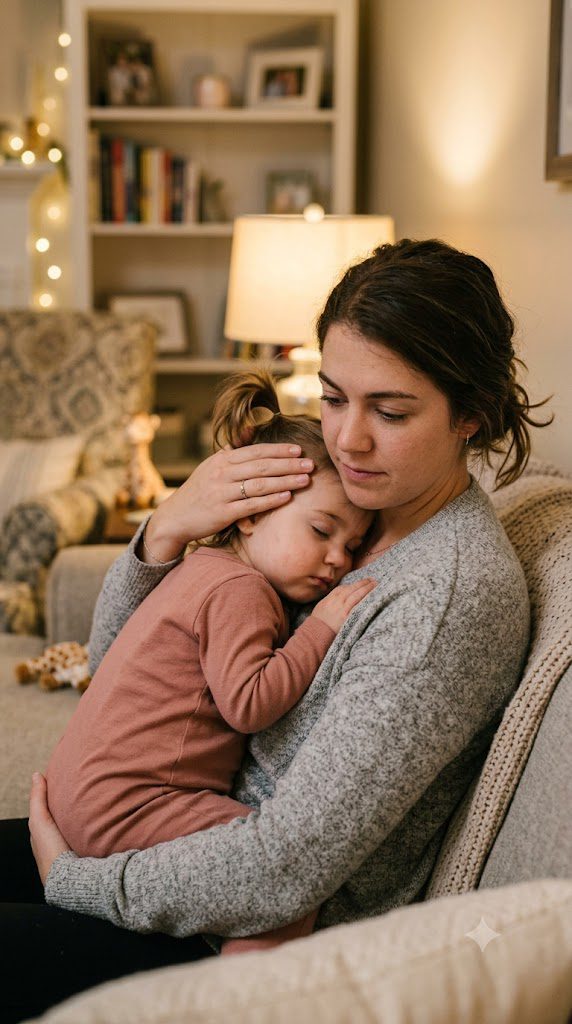
Fever is one of the most common reasons parents reach out to us — and also one of the most misunderstood. A fever itself isn’t the enemy; it’s a sign your child’s immune system is doing its job. What matters is your child’s age, how they’re acting, and how long the fever has lasted.
Seek care right away if:
- Your baby is under 3 months old and has any fever at all (100.4°F / 38°C or higher, taken rectally). At this age, fever is always treated as urgent because a young immune system can’t always show other warning signs.
- Your child has a fever above 104°F, or a fever paired with a stiff neck, severe headache, difficulty breathing, an unexplained rash, repeated vomiting, or unusual drowsiness or fussiness that doesn’t improve.
- Your child has a febrile seizure (shaking or unresponsiveness during a fever).
A next-day or non-urgent appointment is usually appropriate for:
- Fever under 3 days with mild symptoms but other concerns. Example: Your 8-year-old has had a fever of 101°F for two days with a mild sore throat, but is drinking fine. You want to check for strep or another cause.
- Fever that comes and goes over several days. Example: The fever breaks for a day, then returns for two more days without an obvious explanation.
- Fever in a child with a chronic condition, like asthma or a heart condition, where you want to make sure it isn’t putting extra strain on their body.
- Fever lasting more than 3 days in a child over age 2, even without other alarming symptoms — this is generally the point where it’s worth having us take a look.
When to See a Pediatrician for Bumps, Falls, and Lingering Pain

Kids fall down. A lot. Most minor bumps and bruises heal on their own, but a few situations are worth a follow-up visit:
- A persistent limp after a minor fall. Example: Your child twisted their ankle yesterday and can walk, but is still limping today. It’s worth an exam to rule out a small fracture or sprain.
- Mild head injury symptoms that linger. Example: Your child bumped their head two days ago and has had a mild headache since, with no vomiting or confusion. This still deserves monitoring for a possible concussion.
- Pain that doesn’t improve after a few days. Example: Your child fell on their wrist — no swelling, but it’s still sore and tender three days later.
None of these are emergencies, but they’re also not “wait it out” situations. A quick exam gives you peace of mind and catches anything that needs treatment before it becomes a bigger problem.
When to See a Pediatrician for Cough, Wheezing, or Chest Symptoms
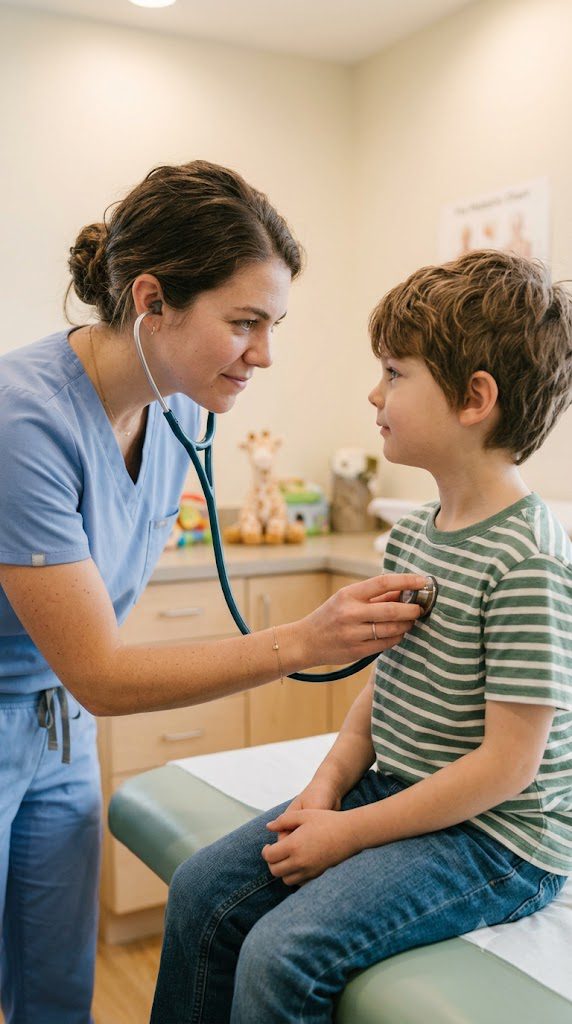
Respiratory symptoms are tricky because a normal cold cough and something that needs real evaluation can look similar at first.
- A cough or wheeze that comes back with every cold. Example: Your child gets a cough every time they catch a cold, and it lingers for weeks. This pattern is worth an asthma evaluation.
- Mild, repeated chest tightness. Example: Your child occasionally says their chest feels “tight” during play, but never with severe symptoms. It’s worth ruling out asthma, muscle strain, or other causes.
- Rescue inhaler use more than twice a week. If your child has asthma and is reaching for their inhaler that often — even when they’re not sick — their medication plan likely needs adjusting.
When to See a Pediatrician for Skin Issues
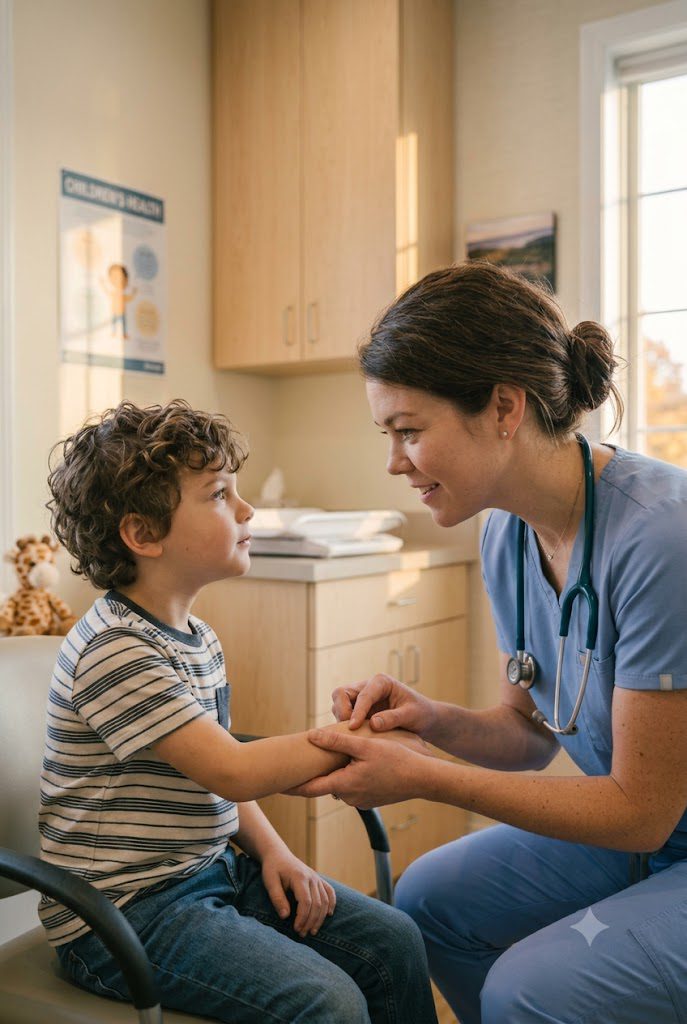
Skin concerns are rarely emergencies, but they’re a common source of frustration for parents because home remedies only go so far.
- Recurring or chronic skin issues, like eczema flares that aren’t improving with regular moisturizing and over-the-counter creams.
- Rashes that keep coming back. Example: Ringworm clears with treatment, then returns within a few weeks.
- Mild infections that need prescription treatment. Example: Impetigo — honey-colored, crusty sores around the nose or mouth — that hasn’t spread quickly but needs antibiotics.
- Pink eye that lingers. Red, watery eyes with mild itching for over a week despite allergy drops.
Why Urgent Care Isn’t the Right Fit for Everything
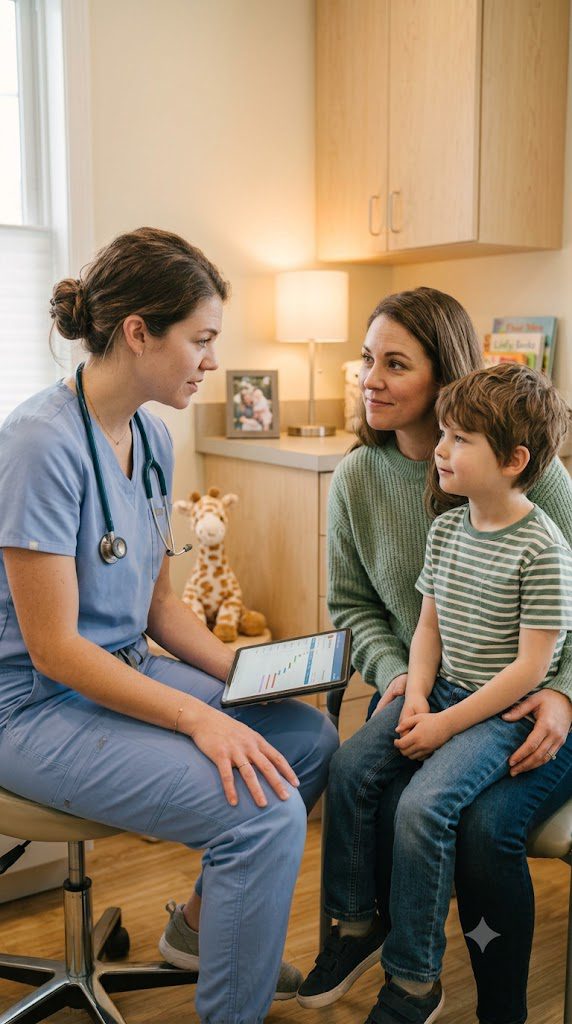
Urgent care has its place — but for certain issues, it genuinely can’t offer what a pediatrician can:
- Refills for ADHD or other long-term medications. These require regular monitoring, follow-up visits, and sometimes specialized paperwork that urgent care isn’t set up to provide.
- Ongoing management of asthma, diabetes, or a heart condition. If your child’s care plan needs adjusting, or symptoms have been building over several weeks, that requires lab monitoring and long-term follow-up — not a one-time visit.
- Full mental health assessments. Urgent care can help with immediate safety concerns, but a teen struggling with anxiety or depression needs the in-depth evaluation and ongoing support a pediatrician’s office can coordinate.
We See Patients From Birth Through Age 21

One thing families are often surprised to learn: pediatric care doesn’t stop at age 12. We continue seeing patients all the way through age 21, because adolescence and young adulthood come with their own set of physical, developmental, and emotional changes that benefit from a doctor who already knows your child’s history.
Getting Seen Doesn’t Have to Be a Battle
We know that waiting days for an appointment isn’t realistic when your child is sick. That’s why Alta Loma Pediatrics offers same-day sick visit appointments, flexible scheduling, and a team that actually picks up the phone. As an independent, physician-owned practice, every decision we make is based on what’s right for your child — not a corporate schedule or hospital network.
If you’re ever unsure whether your child needs to be seen, don’t wait and wonder. Call our office at (909) 581-0008 — we’d rather talk you through it than have you spend the day worrying.
Dr. Rani Elias, MD, FAAP, is a board-certified pediatrician with over 17 years of experience serving children and families in Rancho Cucamonga and the Inland Empire. He has been recognized with a Certificate of Excellence from San Antonio Regional Hospital for his long-standing commitment to pediatric care in the community.
Disclaimer: This blog post is for informational purposes only and should not replace professional medical advice. Always consult with your pediatrician regarding your child’s health and medical care.